 Skip to content



How Many Candock Cubes Do I Need for My Dock?
Planning a dock layout starts with understanding how much usable space you need on the water. The number of cubes required depends on how the dock will function day to day, including the type of watercraft it will support and how people will move across the surface. Without that clarity upfront, layouts end up either too small to use comfortably or larger than necessary.
Figuring out how many Candock cubes you need for your dock becomes easier when you break the layout into practical sections that reflect real use. Start by measuring the footprint, accounting for weight, and planning for movement, which all contribute to a design that feels stable and usable. A well-planned cube count supports both immediate needs and future adjustments without forcing a redesign later.
How Modular Dock Cubes Create Flexible Layouts
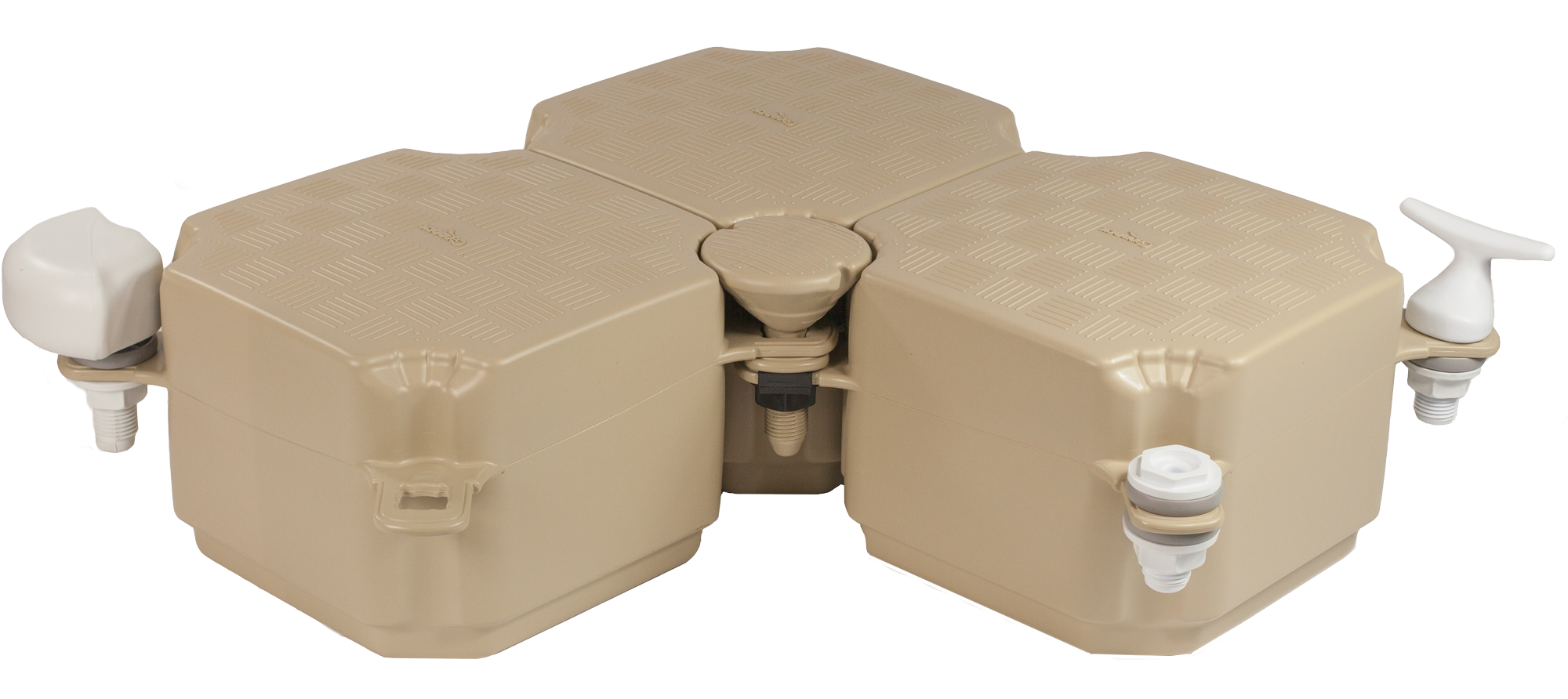
Modular dock cubes connect to form a continuous floating surface that adapts to shoreline conditions and usage needs. Instead of committing to a fixed structure, each section builds onto the next, which allows the layout to expand, widen, or shift as requirements change.
This flexibility allows property owners to design around function rather than strict dimensions. A simple walkway can extend into a larger platform, or a narrow dock can widen to support seating, storage, or multiple watercraft without requiring a full rebuild.
Measuring the Dock Area You Want To Build
Accurate measurements determine how many cubes a dock will require, since both length and width directly influence the total count. The layout should account for how far the dock must extend to reach usable depth while also providing enough width for safe, comfortable movement across the platform.
Determining Length and Width Requirements
Length depends on water depth and how far the dock must extend to support docking access, particularly in areas where the shoreline slopes gradually. Width affects how easily people can walk, pass each other, and handle equipment without feeling restricted, which makes a slightly wider layout more practical even if it requires additional cubes. In higher-traffic setups, adding extra width can also create space for staging gear without interrupting movement.
Weight Capacity and Watercraft Considerations
Dock layouts should reflect the combined weight of boats, personal watercraft, and any equipment placed on the surface, since each cube contributes to overall buoyancy. Planning around realistic load expectations can maintain stability and prevent sections from sitting lower in the water than intended.
Planning for Boats, PWCs, and Accessories
Different types of watercrafts create different demands on the dock, with larger boats requiring more support than smaller personal watercraft. Adding accessories, such as storage units, seating, or docking features, increases the total load, which may require additional cubes to maintain consistent performance. Factoring in occasional peak usage, such as multiple people boarding at once, helps planners determine the exact number of cubes needed.

Accounting for Walkways and Activity Zones
Dock layouts rarely serve a single purpose, so planning should include walkways, staging areas, and access points. Without enough surface area, movement becomes restricted, and the dock can feel crowded once multiple people begin using it at the same time.
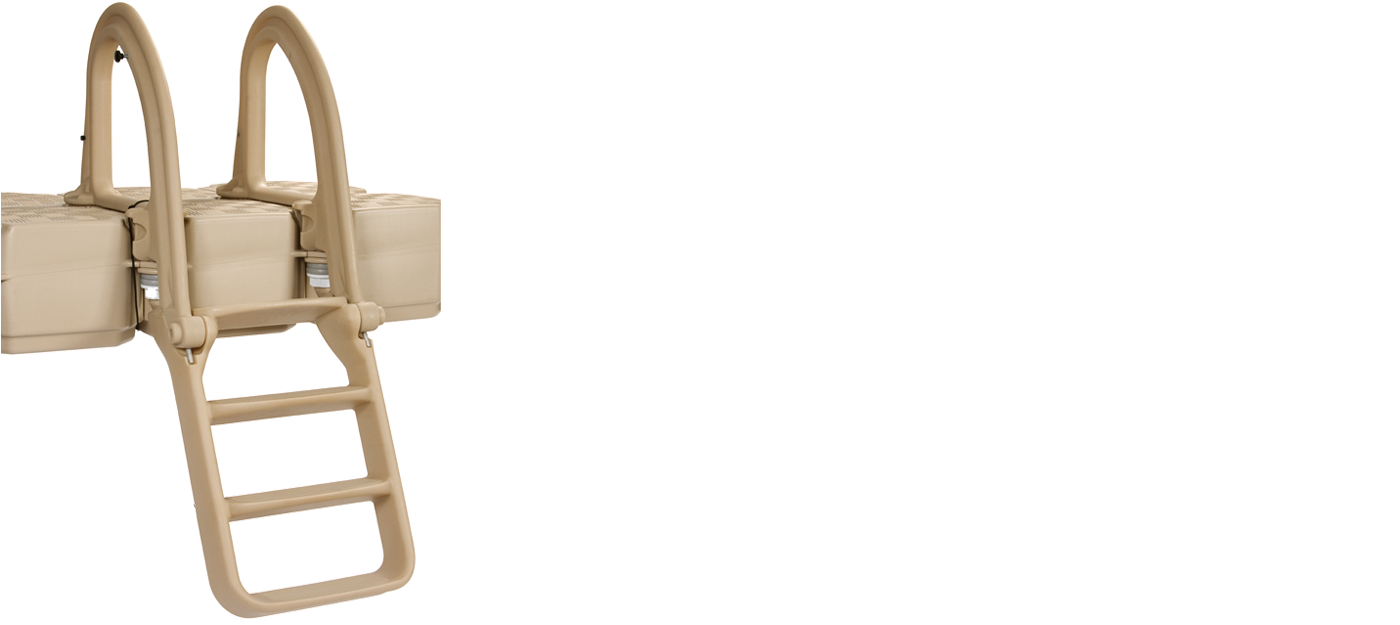
Designing the layout with these zones in mind creates a more functional area, as people should be able to walk comfortably, prepare equipment, and board watercraft without interfering with one another. Which means adding more cubes than the minimum required for docking alone.
Planning for Future Expansion
Dock usage changes as owners add new equipment or shift recreational needs, making flexibility a vital part of the initial design. Starting with a layout that allows for expansion makes it easier to adapt without rebuilding entire sections later.
Modular systems support that flexibility by allowing additional cubes to connect seamlessly to the existing structure. Leaving room for expansion during the initial planning phase ensures that extending or modifying the dock remains a straightforward process.
Using Layout Guidance and Resources for Accuracy
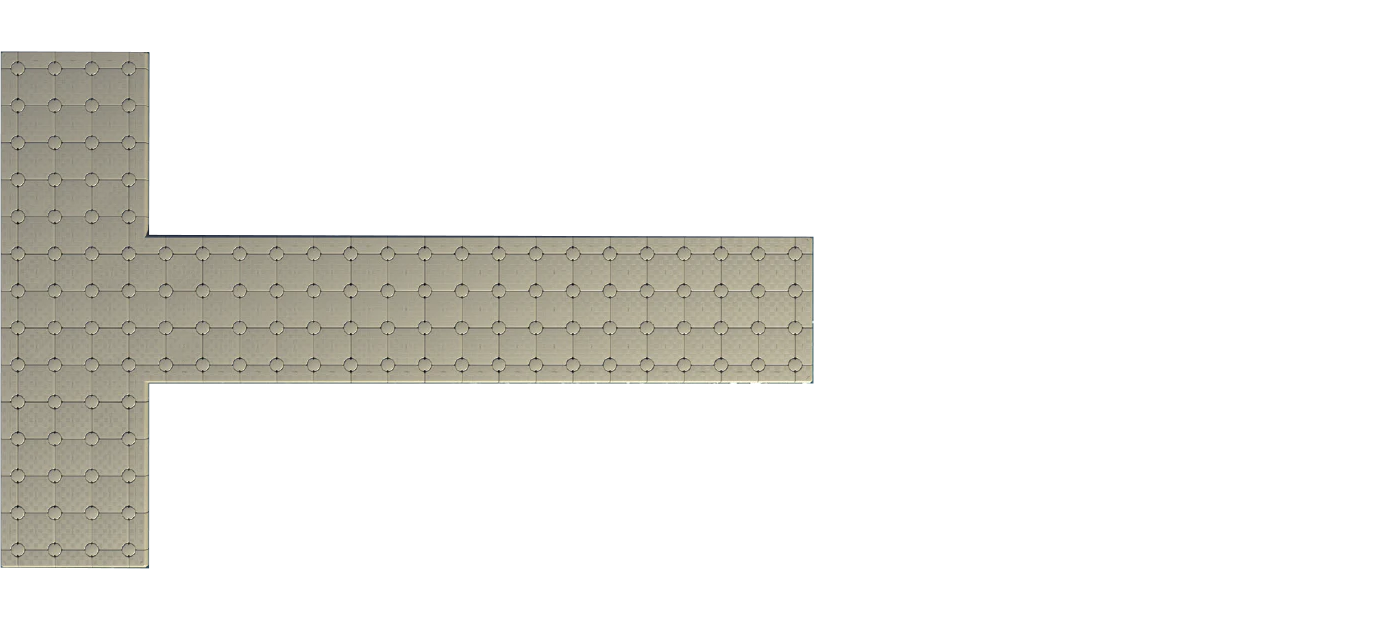
Many dock manufacturers provide layout guidance that outlines recommended configurations based on common use cases. These resources can refine measurements and provide a clearer understanding of the number of cubes needed for specific layouts.
Using these references reduces guesswork and confirms that the planned design will function as necessary. Comparing your layout to proven configurations can also highlight areas where additional space or support may improve usability.
Common Sizing Mistakes To Avoid
Underestimating space needs remains one of the most common planning mistakes, especially when layouts focus only on docking. A dock that appears sufficient on paper can quickly become restrictive when multiple people use it at the same time.
Keep in mind that adding more cubes than necessary increases cost without always improving functionality. Balancing size with actual usage needs creates a layout that remains efficient, practical, and easier to manage.

Getting a Configuration Recommendation Before Ordering
Working with a dock provider can help refine your layout and confirm the number of cubes required before placing an order. They will start by reviewing shoreline conditions, water depth, and intended use, allowing professionals to identify adjustments that improve both stability and usability.
Getting input early in the process reduces the risk of ordering incorrect quantities or missing components. It also provides confidence that the dock will perform as expected.
Considering Shoreline Shape and Access Points
Shoreline shape and access points influence cube distribution across the layout, especially where the dock angles or connects to existing structures. Irregular shorelines may require additional cubes to maintain a consistent walking surface or to create smooth transitions between sections. Consider entry points from land also to determine how wide or reinforced certain areas of the dock should be.
Building a Dock That Fits Your Property
Designing a modular floating dock starts with answering a key question: how many Candock cubes do I need for my dock? When designers plan measurements, weight considerations, and movement areas together, the layout creates a stable, balanced environment that users navigate easily without constant adjustments.
Candock’s modular systems allow that planning to translate directly into a functional dock, giving property owners the flexibility to build around their shoreline while keeping future changes in mind. With the right cube count and a clear approach to layout design, the dock can support daily use while remaining adaptable as needs change.