 Skip to content




Advantages of Buying a Modular Floating Dock Kit
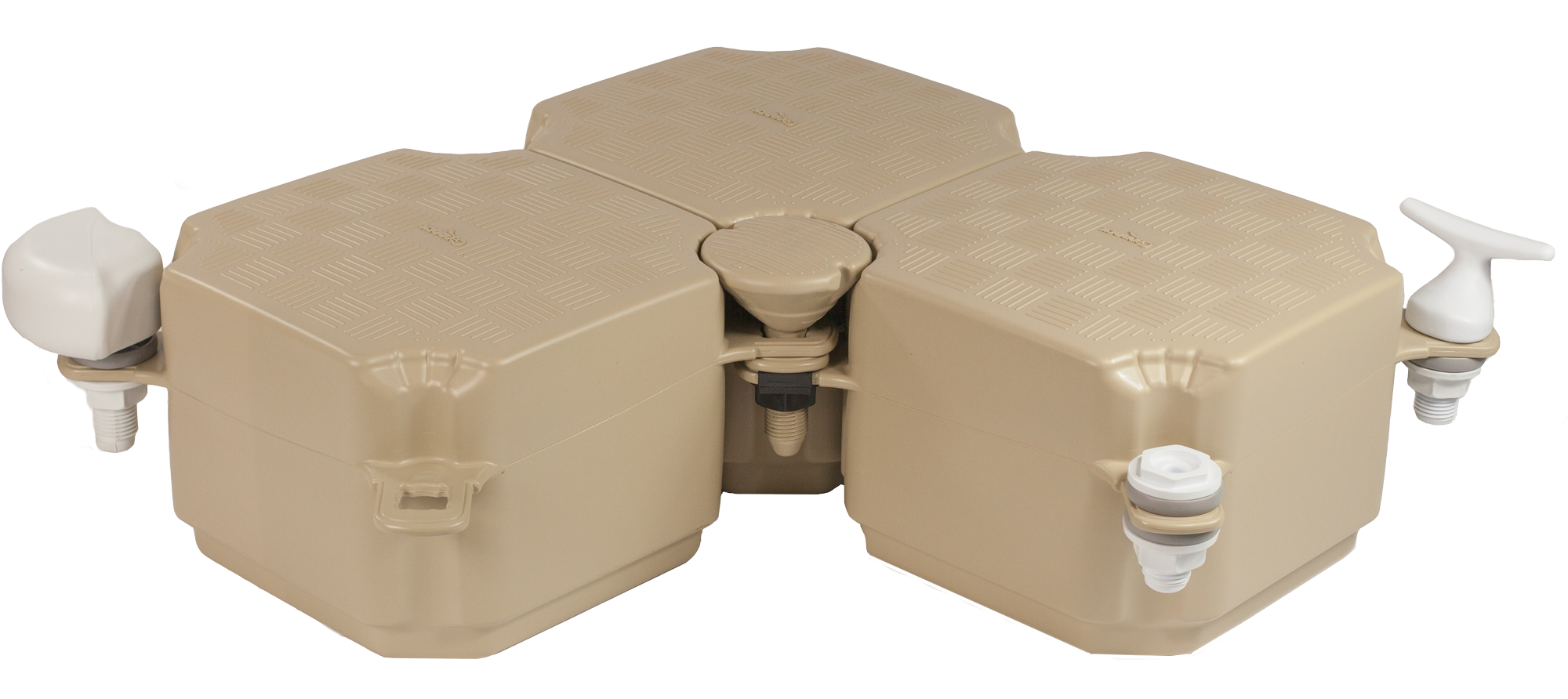
Installing a dock used to mean committing to a fixed structure that required heavy planning before the first section ever reached the water. For some properties, that approach still makes sense, but many waterfront owners want a system that can adapt as their shoreline needs change. A modular dock kit offers flexibility without turning the project into a major construction process.
When weighing the advantages of buying a modular floating dock kit, the value goes beyond easier setup. A kit can support future changes and give owners more control over how the dock functions from season to season. That combination makes modular systems appealing for waterfront properties where use patterns rarely stay the same for long.
Modular Design Gives Owners More Control
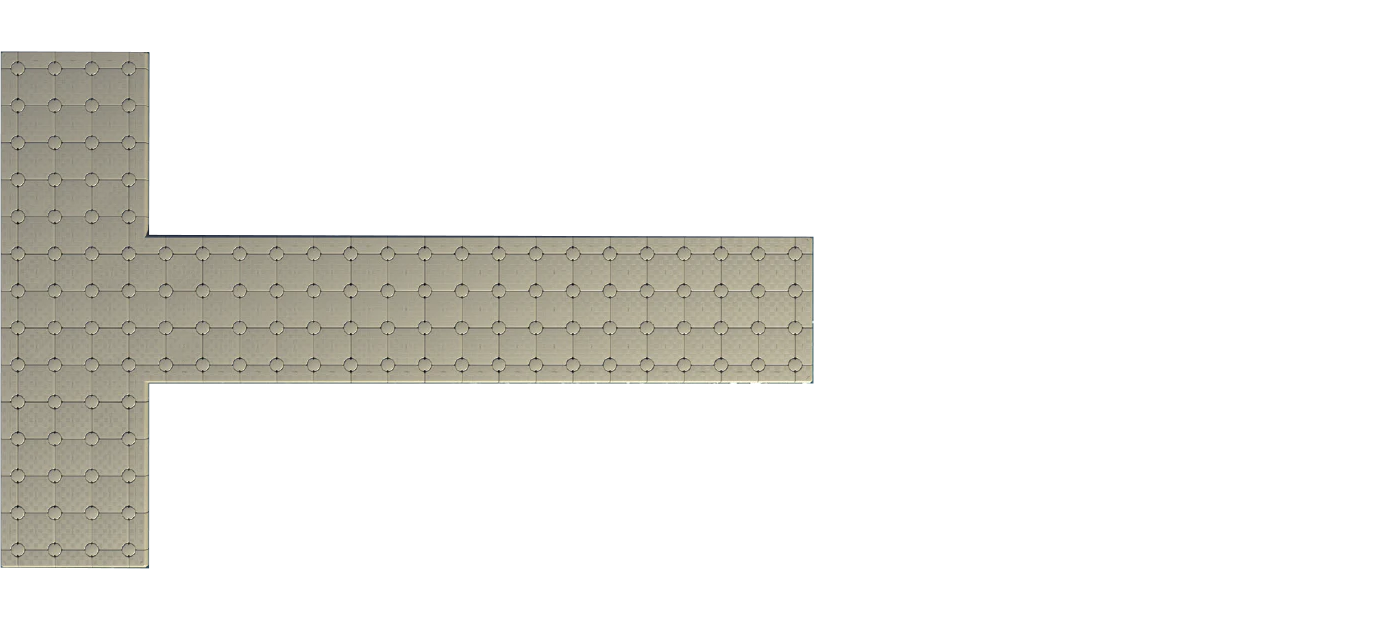
A modular dock kit allows owners to shape the layout around the shoreline. Instead of committing to one fixed footprint, sections can connect in ways that reflect water depth, access points, and the activities that happen most often near the dock.
That control matters once the dock becomes part of daily waterfront use. A simple walkway might work at first, but a wider platform or extra docking space may become more useful later. With a modular system, those changes can happen without treating the original installation as a sunk cost.
Installation Feels More Manageable
Traditional dock projects can involve extensive site preparation and more complicated construction logistics. Manufacturers design modular dock kit components to fit together as part of a planned system, which reduces some of that burden. Owners can approach installation with a clearer understanding of how the pieces connect before work begins.
That structure helps make the process feel less intimidating. Instead of solving every detail in the field, installers can follow the system’s layout and assembly guidance. The result is a an organized installation experience that can be easier to manage than building a custom fixed dock from scratch.
Expansion Does Not Require Starting Over

Waterfront needs can shift quickly once a property owner starts using the dock regularly. A layout that feels practical during the first season may need more space once new watercraft, seating, or storage becomes part of the setup. Fixed docks can make those changes more complicated because expansion often affects the existing structure.
Growth Can Happen in Stages
A modular kit gives owners the option to build in phases. Someone might start with a modest layout for basic access, then add sections later as the shoreline becomes a more active part of the property. That staged approach can make upgrades easier to plan because each addition builds on the system already in place.
Phased growth also helps owners avoid overbuilding from the start. Instead of guessing how much dock space they might need several years ahead, they can begin with a practical layout and expand when real use patterns make the next step clear.
Floating Systems Respond to Water Level Changes
A floating dock naturally moves with the water surface, which can make access more consistent in areas where water levels shift during the season. Fixed structures may create awkward transitions when water drops or rises, especially if the dock height no longer matches the shoreline access point.
With a floating modular system, the dock remains positioned relative to the water. That movement can make boarding, unloading, and general access feel more predictable across changing conditions. For owners in areas with seasonal fluctuation, adaptability can become one of the most practical benefits of the system.
Layouts Can Match Real Waterfront Use
Dock layouts work best when they reflect how the property actually functions. Some owners use the dock mostly for boating, while others need space for swimming or relaxing near the shoreline. A modular kit allows the layout to follow those priorities more closely than a one-size-fits-all structure.
Different Properties Need Different Configurations

A family that spends most of its time swimming may want an open platform space and easy water access. A boat owner may need a layout that makes boarding and tie-offs more convenient. When the system can change shape or scale, the dock becomes easier to align with the way people use the waterfront every day.
That flexibility also prevents wasted space. Instead of adding square footage that looks impressive but does little for daily use, owners can focus on sections that solve real access or activity needs.
Maintenance Can Stay More Practical
Every dock requires upkeep, but modular systems can make certain maintenance tasks less disruptive. Because the dock consists of connected sections, owners can inspect specific areas more easily and address smaller issues before they affect the entire layout. That can make routine care feel more manageable during the season.
This section-by-section access can also help when one part of the dock receives heavier use than another. High-traffic areas may need attention sooner, while less-used sections may require only basic checks. A modular layout makes it easier to focus on maintenance where it matters most.
Transportation and Seasonal Handling Are Simpler
Typically, you can’t move large, fixed structures or adjust because of their size and construction. Modular components are generally easier to handle in smaller sections, which can simplify transportation before installation and seasonal storage where removal is necessary.
That advantage becomes especially useful for owners who manage their dock around colder weather or changing access conditions. Handling smaller components can reduce logistical pressure and make seasonal work feel less overwhelming. For many properties, the ability to move sections more easily adds practical value beyond the initial installation.
Modular Kits Support Long-Term Value
A dock should remain useful as the property changes. New boats, different recreational habits, or growing family use can all affect what owners need from the shoreline. A modular kit supports long-term value because it gives the dock room to change instead of becoming outdated after the first layout no longer fits.
That adaptability can make the purchase feel more durable in a practical sense. The system does not need to stay frozen around the original plan. As owners refine how they use the waterfront, the dock can continue supporting those changes without requiring a full replacement.
Choosing a Dock Kit That Fits the Property
Understanding the advantages of buying a modular floating dock kit helps property owners think beyond the first installation day. The real benefit lies in choosing a system that can support current use while leaving room for future adjustments. A flexible dock layout can make the shoreline easier to use, easier to maintain, and easier to adapt as needs change.
Working with an experienced floating dock company can help owners match a modular kit to their shoreline conditions and long-term goals. Candock's modular dock systems allow waterfront owners to build layouts that fit their current needs while leaving room for future changes. With the right kit, a dock can serve today’s needs while staying ready for whatever the shoreline requires next.