 Skip to content



A Look at the Required Pieces of Modular Gangways
Connecting a floating dock to the shoreline requires more than a simple walkway, especially when water levels shift, and the dock moves independently from land. A gangway creates that conversion, but its performance depends on how well each component works together to maintain stability and consistent footing. Without the right structure and connections in place, even a well-built dock can feel difficult to access or unreliable during everyday use.
A look at the required pieces for modular gangways highlights how each element contributes to a stable and reliable access point. From the frame that supports weight to the hardware that allows movement, every component influences how the gangway performs in real waterfront conditions. Correctly selecting and installing these pieces creates a smoother, more dependable transition between the shore and dock that holds up across changing environments.
Why Gangways Matter in Dock Design
A gangway sits between a fixed shoreline and a floating structure, which means it must accommodate movement while still providing a stable walking surface. As the dock rises and falls with changing water levels, the gangway adjusts to maintain that connection without creating gaps, steep angles, or uneven footing.
This shapes how people interact with the dock on a daily basis. Carrying gear, stepping on and off watercraft, or moving between the shoreline and dock becomes more manageable when the access point feels steady and predictable. A properly designed gangway supports that experience by reducing hesitation and improving overall movement.
The Structural Frame of a Gangway
The frame serves as the foundation of the gangway, supporting both the decking surface and the weight of anyone using it. Its strength determines how well the structure handles movement, repeated use, and environmental exposure without excessive flexing or shifting, which can affect both comfort and safety.
Material selection also determines how the frame performs. Waterfront environments introduce constant moisture, temperature variation, and wear, so a frame designed for those conditions maintains its integrity longer. When the frame remains stable, the entire gangway benefits from improved alignment and more consistent performance.
Decking Surface for Safe Footing
The decking surface provides the walking area, which makes traction and durability essential considerations. A surface that allows water to drain quickly can reduce the likelihood of slipping, particularly after rainfall or when the dock remains exposed to spray from passing boats.
At the same time, the material should feel comfortable underfoot and hold up against repeated use without breaking down. A well-chosen surface balances grip, durability, and ease of maintenance, which can maintain both safety and usability without requiring frequent replacement.

Hinges and Connection Points
Gangways rely on anchoring points to allow movement while keeping the structure securely attached. Hinges make it possible for the gangway to adjust as the dock moves, preventing strain from transferring into the frame or causing instability at the shoreline connection.
These components must handle repeated motion without loosening or degrading. Hinges and connection points designed for smooth movement allow the gangway to respond naturally to water level changes, and this motion prevents resistance while ensuring ease of use.
Support Systems and Load Distribution
Longer gangways or setups with higher foot traffic can require additional support to maintain stability across the entire span. Proper load distribution prevents specific sections from experiencing excessive stress, which causes uneven movement or noticeable flex when you apply weight.
Support systems assist in spreading that load more evenly, which reduces pressure on individual components and keeps the structure feeling solid underfoot. Proper weight distribution maintains a consistent walking surface for the gangway, even when multiple people use it simultaneously.
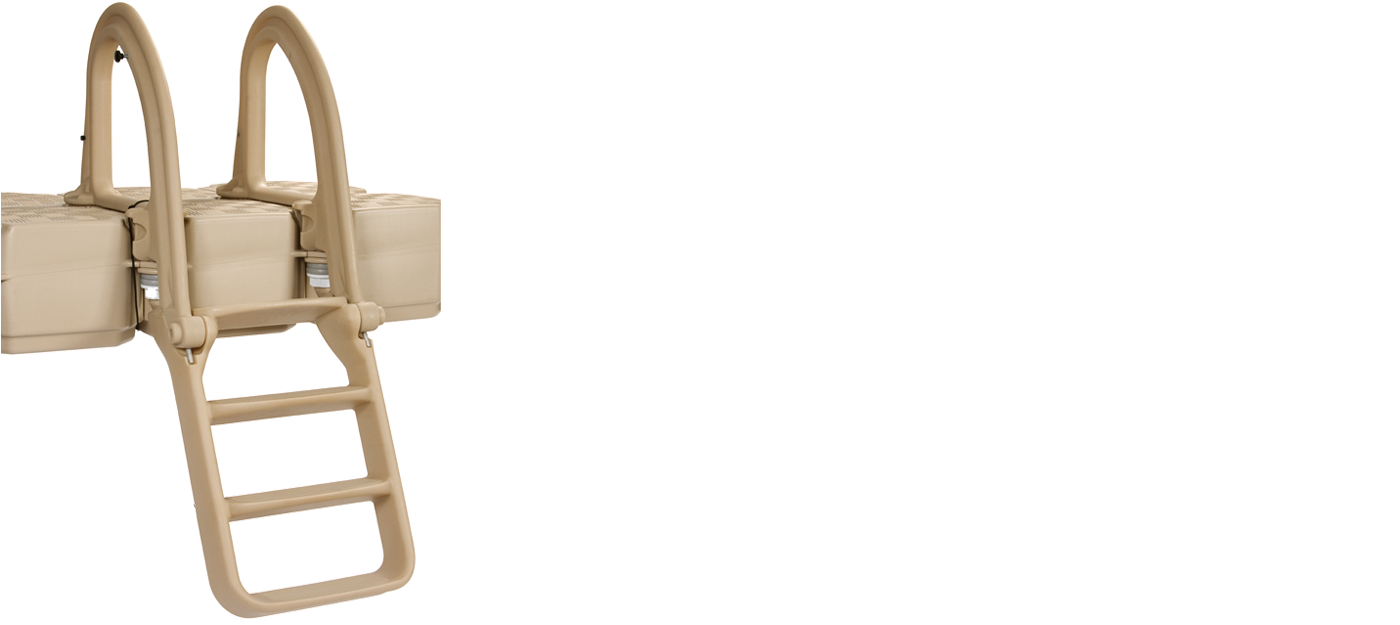
Railings for Safety and Stability
Railings provide an added level of safety, particularly on gangways that extend over longer distances or connect at steeper angles. They offer users a point of contact that can improve balance, especially when conditions are wet or when carrying equipment across the dock. A well-integrated railing supports stability without restricting space, allowing users to move comfortably while still benefiting from added support.
Hardware and Fasteners That Hold It Together
Every gangway depends on hardware to connect its components, and the reliability of those connections affects the entire structure. Bolts, brackets, and fasteners must hold securely under repeated use while resisting corrosion in a waterfront environment where exposure to moisture remains constant.
Choosing hardware designed specifically for these conditions can maintain structural integrity. When connections remain tight and durable, the gangway continues to perform consistently without requiring frequent tightening or replacement.
Adjustability for Changing Water Levels
Water levels fluctuate throughout the season, which means a fixed structure would quickly become impractical in most waterfront settings. A modular gangway needs enough flexibility to adjust with those changes while maintaining a stable and comfortable walking surface.
Adjustable components allow the gangway to respond to vertical movement without placing unnecessary strain on the frame or connection points. That flexibility ensures the structure remains functional across a range of conditions.

Sizing the Gangway for Proper Access
The size of a gangway affects how comfortably people can move between shore and dock, especially in setups where multiple users access the dock at once. Width should allow for easy passage without forcing people to step aside or wait, while length should account for water level changes that affect the angle of the structure.
A gangway that is too short can create a steep incline during low water conditions, making it more difficult to navigate. Allowing proper length and width during planning improves usability and maintains a more gradual, comfortable transition.
Integrating Gangways With Dock Accessories
A gangway should connect seamlessly with the rest of the dock system. The transition between the gangway and the dock needs to feel smooth, with consistent height and spacing that allows for easy movement without interruption.
When planned as part of the overall layout, gangways work alongside other accessories to create a cohesive setup. This integration supports both usability and long-term performance by ensuring each component contributes to the same functional goal.
Building a Reliable Dock Access System
A modular gangway depends on the coordination of multiple components working together. This includes the frame, decking, connections, and supports, all of which influence how stable and usable the structure feels in everyday conditions as water levels and usage patterns change.
A look at the required pieces for modular gangways makes it easier to understand how each component contributes to a stable access point, especially when paired with Candock’s floating dock accessories that support flexible dock layouts. With the right combination of parts and proper integration, property owners can create a setup that remains safe, stable, and practical throughout the season.