 Skip to content



A Guide to Different Floating Dock Configurations
Waterfront properties vary in shoreline width, water depth, and how people use the water throughout the season. Dock layout choices affect guest comfort when moving between land and water, watercraft docking, and how organized the space feels when activity picks up. A layout that works for a small fishing routine may feel cramped once you add swimmers, kayaks, or multiple personal watercrafts sharing the same tie-up edge.
A guide to different floating dock configurations clarifies how common shapes function and where each tends to fit best. Thinking through approach angles and walking flow makes it easier to plan a setup that feels intuitive from day one. The goal is a configuration that supports safe access now while leaving room to adapt later without a full rebuild.
Why Dock Layout Matters for Waterfront Access
Dock layout influences the number of tie-up points, dictates boat approach angles, weight shifts across the platform, and whether the main walking route remains clear while crews handle the lines. In exposed areas, the same structure can feel very different depending on which edge faces prevailing wind or frequent boat wake.
Also, layout affects the “traffic rhythm” of the dock. If boarding, loading gear, and walking paths overlap, people end up stepping around each other in tight spaces. Separating walking zones from docking zones reduces congestion and can lower repeated bumping that wears hardware and connection points faster.
Linear Floating Dock Designs
A linear dock extends straight from shore, creating a direct route between land and open water. This configuration is common for narrow shorelines or properties that want a simple, predictable layout. It works well when the primary need is access to a single boat or a straightforward walkway for fishing and swimming.
Linear designs make planning easier because the dock has a clear “spine.” When the main route is obvious, it becomes simpler to decide where to place ladders, cleats, or seating without blocking the flow of people moving to and from shore.
Best Shoreline Conditions for Straight Layouts
Straight layouts tend to perform best where water depth increases steadily and the dock can reach usable depth without becoming excessively long. Calm or moderately protected water helps, since boats can approach parallel to the dock without being pushed sideways. If the shoreline is narrow, a linear footprint can provide functional access while keeping the overall platform size reasonable.

L-Shaped Configurations for Added Versatility
An L-shaped dock adds a perpendicular arm at the far end of a straight walkway. This increases usable edge space for tying up without requiring a wide shoreline footprint. It can also define a “dock end” that feels like a destination for sitting, staging gear, or waiting for a boat to return.
Properties choose this shape to gain more organization without committing to a fully enclosed layout. The added arm increases flexibility in boat approach angles and pedestrian positioning while crews secure the lines.
Creating Sheltered Mooring Space
The corner formed by the L can provide partial protection from wake coming from a consistent direction. Reduced side-to-side motion can make boarding feel steadier, especially when people are carrying coolers, fishing gear, or children’s items. The corner also tends to concentrate docking activity in one zone, which can keep the main walkway clearer.
T-Shaped Dock Layouts for Expanding Capacity
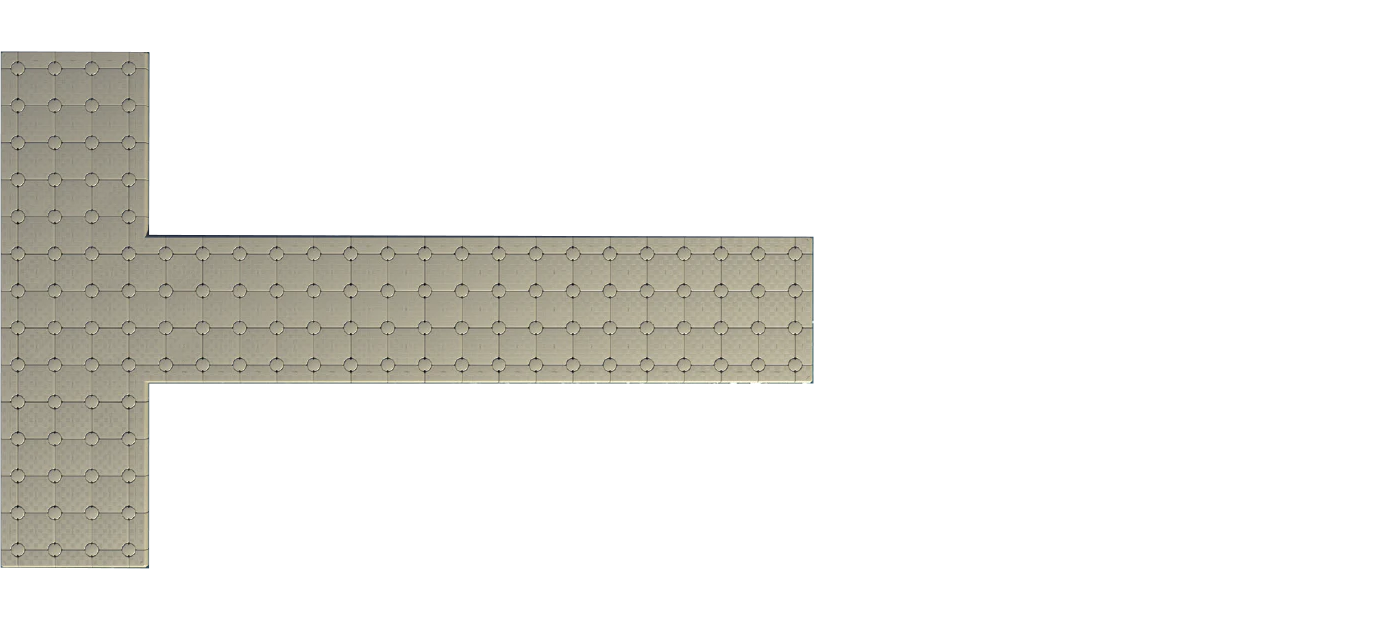
A T-shaped dock adds a wide cross-platform at the end of the main walkway, creating docking opportunity on both sides while maintaining a central access route from shore. For properties with multiple watercrafts or frequent guests, the extra space can reduce waiting and crowding during peak use.
Also, the crossbar can function as a staging area. People can step aside to handle lines, rinse off gear, or organize equipment without blocking the main route. Keep in mind that because the platform is wider, balanced anchoring becomes more important, so the dock remains stable when weight shifts from one side to the other.
U-Shaped Layouts for Protection and Multi-Boat Use
A U-shaped configuration surrounds an interior basin on three sides, creating a more sheltered docking area. This layout reduces exposure to wind and passing waves, which helps boats feel steadier while moored. The structure also creates clearer boundaries for where boats should enter and where people should walk.
Builders choose U-shaped layouts when organization and protection matter the most. With multiple tie-up spots, boats can have defined “home” positions that reduce overlap and confusion, though it also demands appropriate support and anchoring.

Matching Configuration to Property Type and Water Depth
Shoreline slope and underwater terrain influence how far a dock must extend to reach comfortable depth for docking. Shallow entries may require longer walkways, while steep drop-offs may allow for a shorter dock. Local conditions, such as wind exposure and typical wake patterns, should influence whether you prioritize shelter or simplicity.
Usage patterns are another matter to consider since a single fishing boat has different needs than two PWCs plus a pontoon, and even more different needs for aa swimming-focused property. Choosing a configuration that matches real habits prevents frustration and reduces the chance that the dock becomes cluttered or awkward during busy periods.
Practical Steps for Planning a Layout Before Installation
Start with a sketch of the shoreline and think about how people will move from the house to the dock, from the dock to the watercraft, and from the watercraft back to open water. Then map out “activity zones” like loading gear, storing paddles, or supervising kids. This makes it easier to see whether a straight route is enough or whether an L or T shape would reduce bottlenecks.
Next, identify which direction wind usually pushes boats, and which side takes the most wake. Planning your main tie-up edge around those forces can reduce awkward line angles and repeated bumping.
Planning for Long-Term Flexibility
Waterfront needs change with the addition of new watercraft, additional accessories, or shifting routines that can alter how much edge space and platform room you need. Modular layouts adapt easily through expansion, widening, or the addition of arms, reducing the pressure to achieve a "perfect" initial build.
A configuration that anticipates growth tends to stay useful longer. For specific visual examples and spacing requirements, this floating dock configurations guide provides a detailed breakdown of how each shape performs in various water conditions.
Choosing a Dock Partner That Supports Customization
Selecting an experienced floating dock company can align configuration choices with shoreline realities and intended use. Experts evaluate site conditions, exposure, and traffic flow before installation, ensuring the layout supports safe access and stable mooring. That upfront planning reduces the chance of building a shape that doesn’t suit your property.
A well-planned configuration balances accessibility, protection, and adaptability. Aligning the layout with both the environment and actual dock usage creates an organized, reliable space that endures changing seasons. Thoughtful choices at the beginning create a dock that remains comfortable now and flexible later.