 Skip to content



10 Tips for Moving a Floating Dock After Installation
Moving a floating dock after installation usually points to a mismatch between the original layout and how the space gets used. What feels like a well-planned setup at the start can show limitations once water levels shift, shoreline access changes, or daily habits take shape.
Moving a floating dock after installation works best when the process focuses on resolving those underlying issues rather than simply relocating the structure. A dock that moves without a clear purpose often ends up facing the same challenges again, which turns a straightforward adjustment into an ongoing cycle that does little to improve usability.
Start With a Clear Reason for Moving the Dock
Most dock relocations fail because owners never clearly define the underlying issue. A dock that feels inconvenient can create the impression that it needs to move, even when the real problem comes from how specific areas function under daily use.
The distinction matters because each issue leads to a different type of adjustment. A poor approach angle affects how boats line up, while an awkward shoreline connection changes how people step onto the dock. Treating those situations as the same problem often leads to a reposition that only partially improves the layout.
That kind of partial improvement becomes obvious quickly once people return to using the dock. Movement patterns remain unchanged, access points still feel off, and the layout continues to create the same friction, which shows that the relocation never addressed the underlying issue.
Evaluate Anchoring Before Any Movement
Anchoring systems control how the dock responds when repositioning begins, which makes them the most important factor to review before making changes. Lines that hold too much tension or pull unevenly can resist movement and create stress across the structure, especially when adjustments begin without preparation.

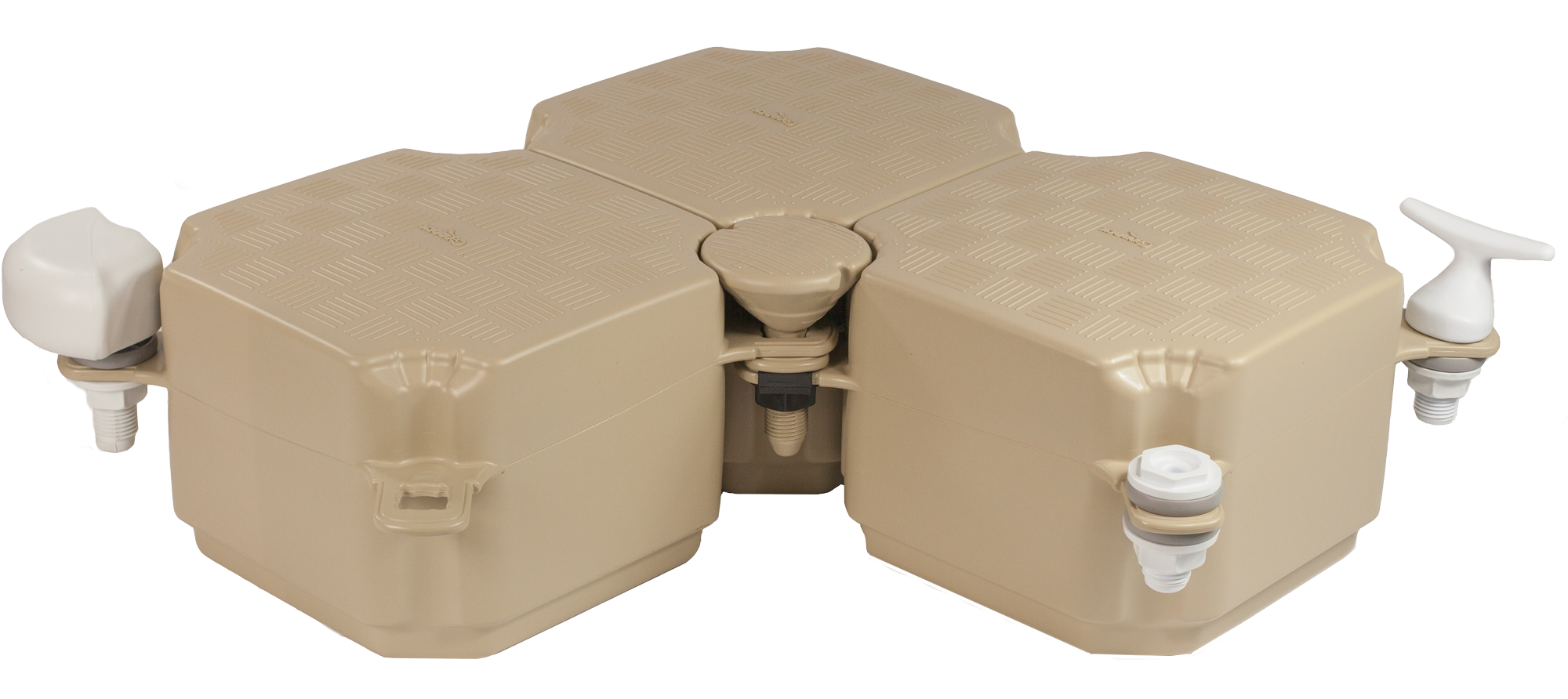
With a modular floating dock, that responsiveness becomes easier to manage because each section can shift more naturally without forcing the entire structure to move as a single rigid piece. Easing anchor tension slightly allows the dock to respond more predictably, while also helping prevent sudden shifts that could affect alignment during repositioning.
Move in Stages
Large, single movements often create more problems than they solve, particularly on modular docks where different sections respond at different rates. A forceful adjustment can introduce twisting or misalignment that requires additional work to correct, which defeats the purpose of a simple reposition.
Breaking the move into smaller stages allows the dock to settle gradually while maintaining alignment. Each adjustment provides a moment to reassess positioning, which keeps the process controlled and reduces the likelihood of creating new stress points.
Understand What Lies Beneath the Surface
Water depth and lakebed conditions influence how smoothly a dock can move, yet those factors often remain overlooked until resistance becomes obvious. A section that shifts easily in one direction may snag on submerged debris or uneven terrain in another, which can interrupt the process unexpectedly.
Recognizing these variations ahead of time allows for more deliberate positioning and fewer surprises during the move. It also protects connectors and anchoring points from sudden strain that could affect long-term performance.
Choose Conditions That Allow for Control
Environmental conditions shape how precisely you can reposition a dock, even when they seem relatively minor. Light wind or subtle current often introduce enough movement to complicate alignment, particularly when working closer to shore or around fixed access points.
Waiting for calmer conditions gives each adjustment more control and reduces the need for repeated corrections. That added control matters most during fine adjustments, where even small shifts affect how the dock lines up with surrounding features and how it performs during regular use.
Keep Tension Balanced While Repositioning

As the dock shifts, anchor lines adjust at different rates depending on their angle and length. One side may tighten while another loosens, which can gradually pull the structure out of alignment without it being immediately obvious.
Monitoring those changes throughout the process maintains a balance across the layout. Small corrections made during movement prevent larger adjustments once the dock reaches its new position, which keeps the structure stable and consistent.
Watch Connection Points During the Move
Connection hardware often reveals stress before it becomes visible across the rest of the dock. When sections move unevenly, connectors absorb that strain first, which makes them a reliable indicator of how the structure handles repositioning.
Paying attention to these points allows for quick adjustments that protect the dock’s integrity without interrupting the process. Addressing minor strain early helps avoid larger issues that could affect long-term durability.
Adjust Shoreline Access as Part of the Process
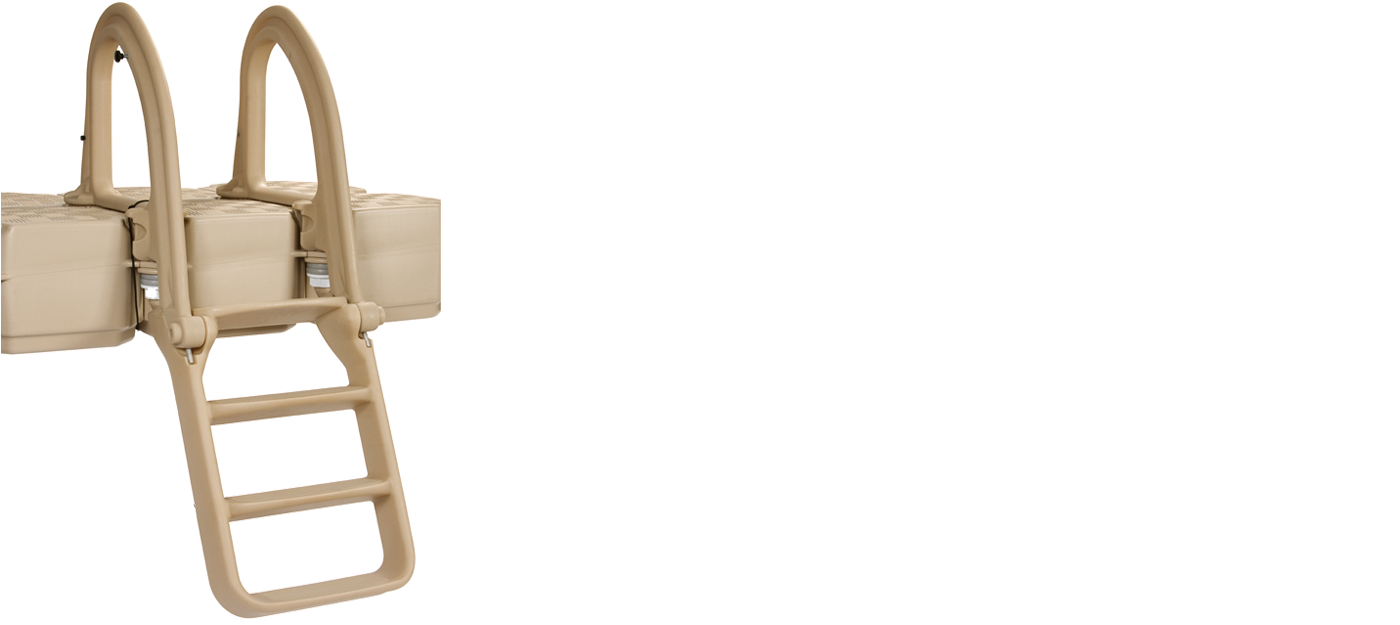
Moving the dock almost always changes how it connects to the shoreline, even when the adjustment seems minor. A gangway that once felt properly aligned can become awkward if the dock shifts position or changes angle, which affects how people step onto the structure.
Reworking shoreline access at the same time keeps the entire system functioning as intended. A well-aligned transition between land and water improves usability and ensures that the relocation enhances the experience, rather than introducing new friction points.
Use the Move To Refine the Layout
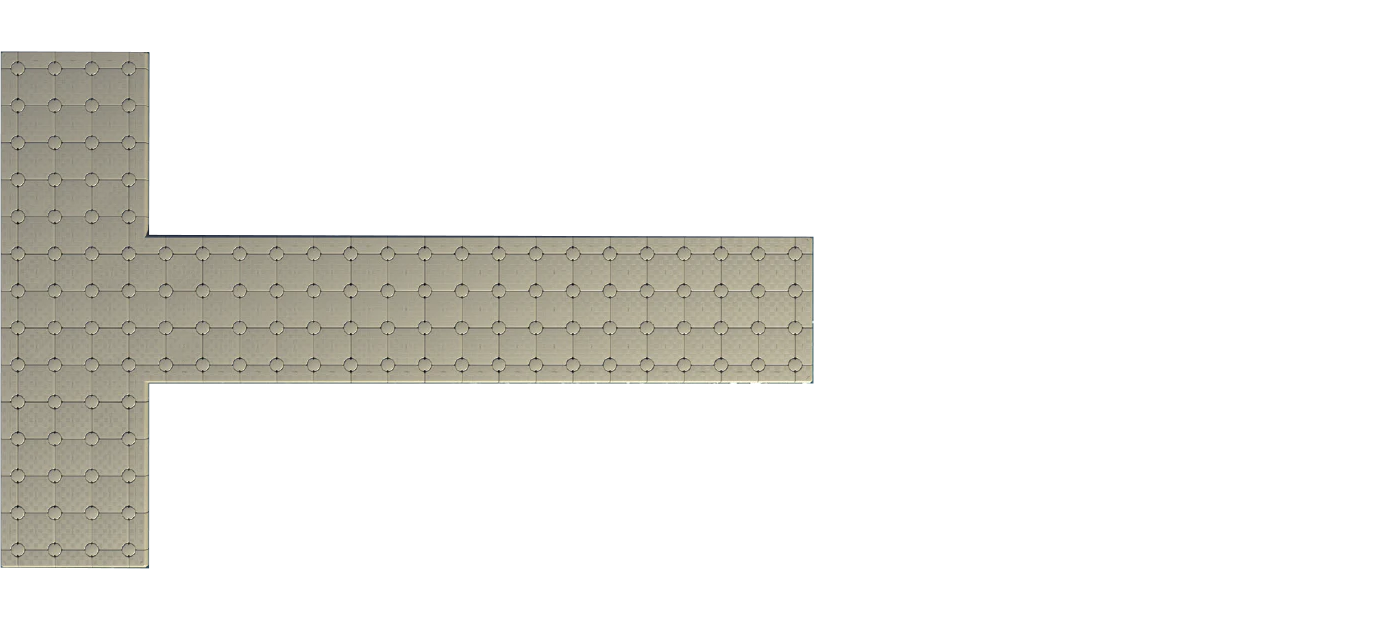
Relocating a dock creates an opportunity to improve elements that never fully worked in the original setup. Tight walkways, awkward transitions, or under-used sections become more apparent once the dock shifts, and the layout gets reevaluated.
Practical improvements often include:
- Widening high-traffic areas to improve movement
- Repositioning access points to better match how people approach the dock
- Adjusting spacing to support equipment or watercraft more effectively
These changes do not require a complete redesign, yet they can significantly improve how the dock functions during everyday use while making the layout feel more intentional.
Test Stability Before Finalizing Placement
A dock that appears properly positioned may still reveal issues once it returns to regular use. Subtle movement underfoot or slight misalignment often signals the need for additional adjustments, especially after larger shifts.
Walking the dock and observing how it responds in real conditions confirms that the relocation achieved its intended result. Addressing those details early ensures the structure performs consistently and avoids the need for follow-up corrections.
Moving a Floating Dock With Long-Term Use in Mind
Moving a floating dock after installation works best when each adjustment reflects how the dock interacts with its surroundings and how people actually use the space. Decisions made with those factors in mind hold up, since they respond to real conditions.
For those looking for additional tips for moving a floating dock after installation or trying to better understand how different configurations respond in changing conditions, reviewing the modular floating dock FAQs can provide useful context before making adjustments. Candock’s systems support that kind of flexibility by allowing sections to shift without disrupting the overall layout, which makes it easier to refine positioning while maintaining consistent performance.