 Passer au contenu



Comprendre le fonctionnement des systèmes de mise à l'eau / cale sèches de Candock
Les propriétaires riveraines qui utilisent régulièrement des motomarines souhaitent généralement un rangement qui protège l'embarcation sans que chaque mise à l'eau ne soit trop laborieux. Les élévateurs traditionnels et les rangements sur remorque peuvent être efficaces dans certaines situations, mais ils viennent également avec des manipulations supplémentaires que de nombreux utilisateurs préféreraient éviter en saison forte. Un système de quai sur lequel on peut monter change cette routine en permettant à l'embarcation de se déplacer directement sur une plateforme flottante qui la maintient surélevée entre les sorties, tout en restant prête pour un accès rapide.
Comprendre le fonctionnement des systèmes sur lesquels on peut monter de Candock commence par reconnaître que la plateforme fait plus que simplement maintenir une motomarine hors de l'eau. La disposition influence la fluidité avec laquelle les utilisateurs s'approchent du quai, la stabilité de l'embarcation une fois positionnée, et la facilité avec laquelle le système s'intègre à l'aménagement du rivage environnant. Lorsque ces éléments fonctionnent correctement ensemble, la mise à l'eau et le rangement quotidiens deviennent beaucoup plus gérables pour les propriétaires qui passent beaucoup de temps sur l'eau.
Pourquoi les systèmes sur lesquels on peut monter continuent de gagner en popularité
De nombreux utilisateurs préfèrent une configuration qui leur permet de quitter le rivage rapidement au lieu de passer du temps supplémentaire à préparer l'équipement avant chaque sortie. Les systèmes sur lesquels on peut monter simplifient cette expérience car l'embarcation se déplace directement sur la plateforme sans nécessiter d'équipement de levage ou de repositionnement de remorque, ce qui peut rendre l'utilisation spontanée de l'eau beaucoup plus agréable pendant la saison.
L'attrait s'étend également au maintien de la coque surélevée entre les sorties, ce qui réduit l'exposition prolongée à l'eau qui contribue à l'accumulation d'algues, de coquillages, aux tâches et au travail de nettoyage supplémentaire. Pour les propriétaires qui utilisent leur motomarine plusieurs fois par semaine, cette combinaison d'accessibilité et d'entretien simplifié peut améliorer considérablement la routine au bord de l'eau.
La plateforme fonctionne n'est pas qu'une simple surface de rangement
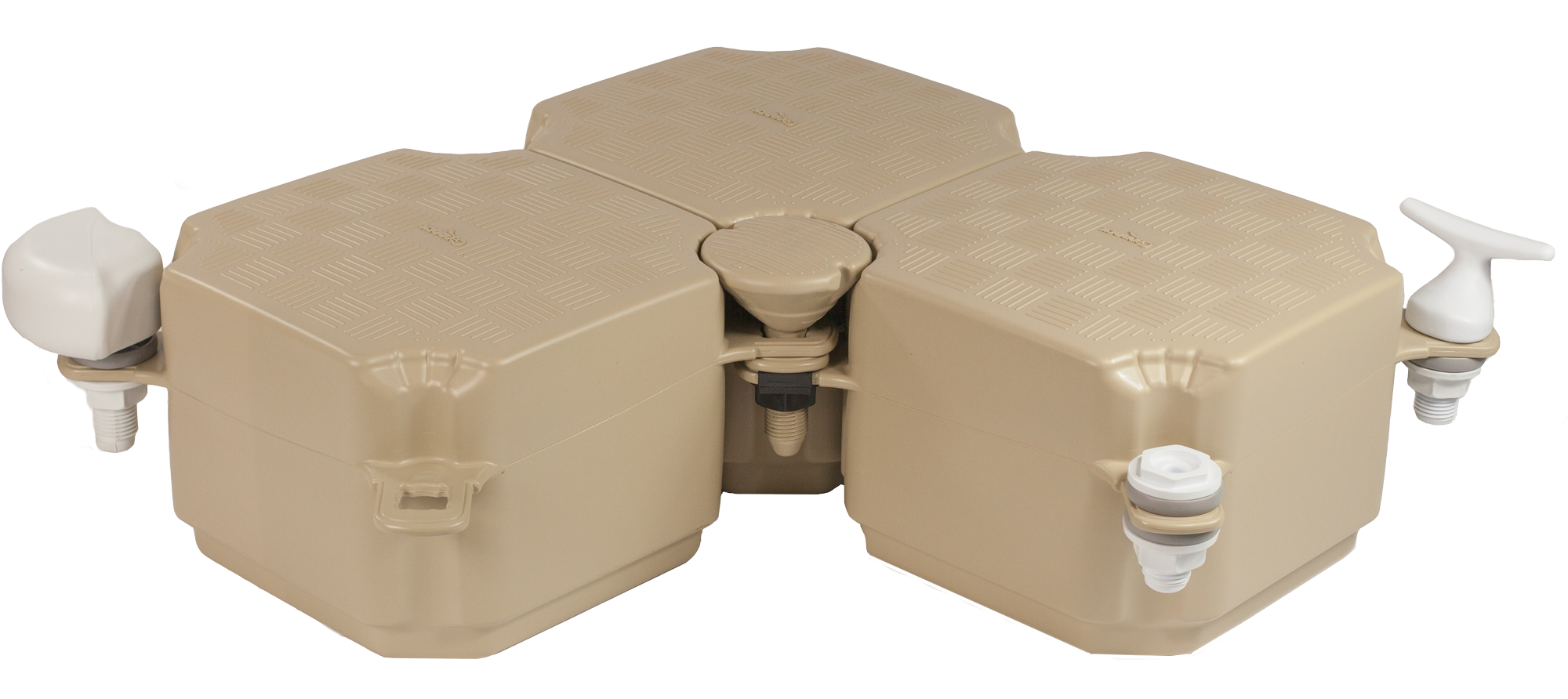
Un système sur lequel on peut monter repose sur une plateforme flottante qui supporte l'embarcation pendant l'utilisation et le rangement, ce qui signifie que la structure doit gérer une distribution de poids changeante tout en restant prévisible lors de l'entrée. Au lieu de fonctionner comme un élévateur stationnaire, la plateforme bouge naturellement avec le quai environnant et les conditions de l'eau tout en continuant à supporter la motomarine au-dessus de la surface.
La forme et la flottabilité de la plateforme influencent fortement l'expérience d'amarrage lors de l'utilisation quotidienne. Une surface bien conçue permet à la coque de se positionner progressivement, ce qui aide les utilisateurs à maintenir un meilleur contrôle lors de l'approche et crée une transition plus douce lors de la remise à l'eau.

L'entrée contrôlée améliore l'expérience d'amarrage
L'approche d'une plateforme sur laquelle on peut monter doit être suffisamment contrôlée pour que les utilisateurs puissent guider l'embarcation en position sans avoir recours à des ajustements soudains de l'accélérateur ou à des corrections répétées de la direction. Les conditions riveraines restent rarement parfaitement calmes tout au long de la journée, de sorte que le système d'amarrage doit permettre une approche prévisible même lorsque de légers remous ou le vent affectent l'eau environnante.
Une fois que l'embarcation atteint la plateforme, la surface d'amarrage guide la coque en place tout en continuant à répartir le poids uniformément en dessous. Ce positionnement contrôlé permet à la motomarine de rester sécurisée après la récupération, tout en rendant le prochain lancement plus rapide et moins perturbateur.
Les fonctions de guidage réduisent le repositionnement
De nombreux systèmes sur lesquels on peut monter incluent des fonctions de guidage moulées qui centrent l'embarcation lors de l'approche, en particulier dans des conditions où de petits mouvements dans l'eau pourraient autrement écarter la coque de la ligne. Ces fonctions réduisent le repositionnement inutile tout en permettant aux utilisateurs de maintenir une trajectoire d'entrée plus douce sur la plateforme.
Ce guidage supplémentaire est particulièrement perceptible pour les utilisateurs qui s'amarrent fréquemment tout au long de la semaine. Lorsque l'approche reste constante, l'expérience est plus naturelle et nécessite moins de corrections lors de la récupération.
La stabilité façonne l'utilisabilité quotidienne
Un système sur lequel on peut monter doit rester stable pendant que les utilisateurs se trouvent sur le quai, car des mouvements excessifs peuvent rendre incertains les mouvements même de routine près du rivage. La stabilité dépend de la plateforme elle-même et de la façon dont le système s'intègre à l'aménagement du quai environnant et au système d'ancrage.
L'embarcation bénéficie également d'un support équilibré sous la coque. Si la répartition du poids se décale de manière inégale sur la plateforme, les utilisateurs peuvent remarquer un positionnement incohérent qui rend la récupération moins prévisible. Une installation stable crée une expérience d'amarrage plus fiable tout en aidant la motomarine à rester correctement supportée entre les sorties.
La conception de la surface affecte le lancement et la récupération
Le matériau de surface utilisé pour un système sur lequel on peut monter, influence la facilité avec laquelle la motomarine se déplace lors de la récupération et du lancement. Une trop grande résistance peut obliger les utilisateurs à appliquer un accélérateur supplémentaire lors de l'entrée sur la plateforme, tandis qu'une traction insuffisante peut rendre le positionnement moins contrôlé lors de l'approche.
La surface d'amarrage subit des contacts répétés de la coque ainsi qu'une exposition constante au soleil et à l'eau, la durabilité est donc très importante. Une surface conçue spécifiquement pour les conditions riveraines maintient des performances plus constantes tout au long de la saison tout en réduisant l'usure visible dans les zones de contact élevé.
Les aménagements modulaires supportent différentes configurations de rivage
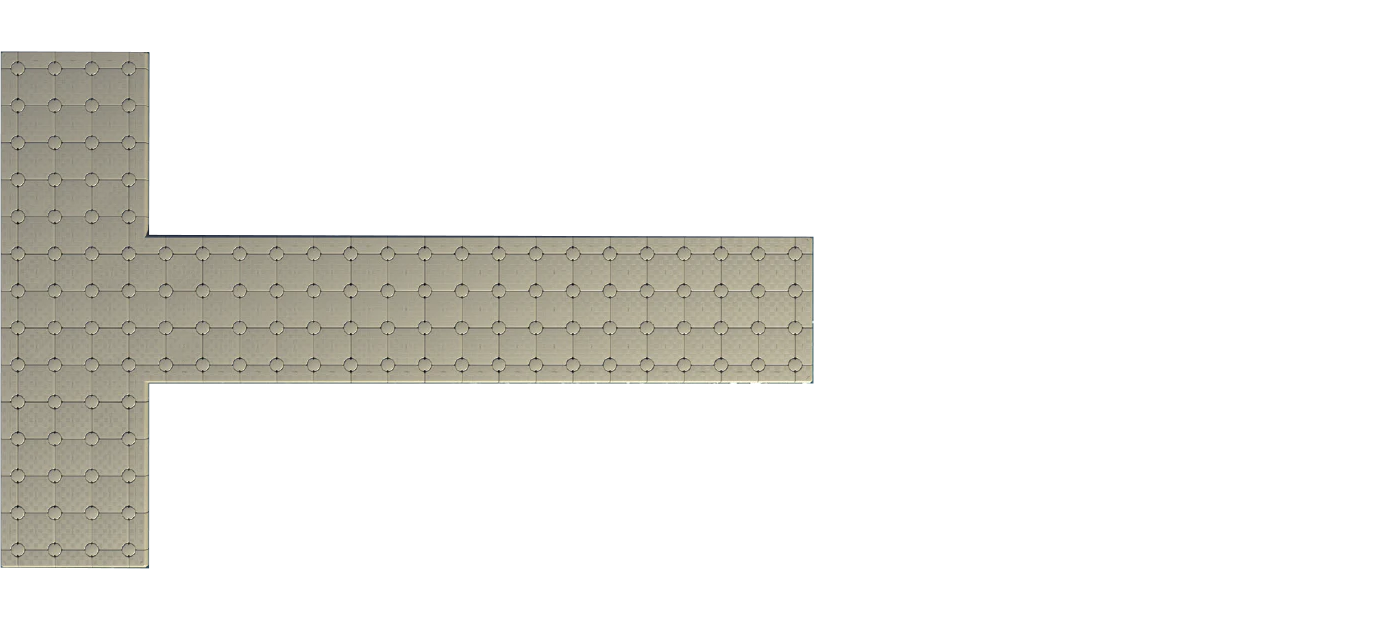
Chaque rivage n'offre pas la même quantité d'espace ou d'accès à l'eau, ce qui rend la flexibilité de l'aménagement particulièrement importante lors de la planification d'un système d'amarrage sur lequel on peut monter. Certaines propriétés riveraines nécessitent un agencement compact pour une seule motomarine, tandis que d'autres exigent que la plateforme se connecte à des aménagements de quai plus grands qui incluent des passerelles, des aires de repos ou des sections de rangement supplémentaires.
Un système modulaire permet aux propriétaires d'ajuster l'aménagement en fonction de la façon dont ils utilisent réellement le rivage, au lieu de forcer la propriété à s'adapter à une conception fixe. Cette flexibilité devient précieuse plus tard si le propriétaire ajoute une autre embarcation ou modifie la façon dont l'espace de quai environnant fonctionne pendant la saison.
Les conditions de l'eau influencent les performances à long terme
La profondeur de l'eau, la pente du rivage et l'exposition aux remous affectent tous la performance d'un système sur lequel on peut monter après l'installation, en particulier dans les endroits où les conditions changent tout au long de la saison de navigation. Une plateforme positionnée correctement en eau calme peut nécessiter une stabilisation supplémentaire ou des ajustements d'aménagement dans des zones plus exposées où le mouvement devient plus perceptible.
L'espace d'approche est également important car les utilisateurs ont besoin de suffisamment d'espace pour guider l'embarcation sur la plateforme sans naviguer autour d'obstacles ou de sections de quai encombrées. Ainsi, évaluer attentivement les conditions du rivage avant l'installation crée une configuration qui semble plus naturelle lors de l'utilisation quotidienne.
L'entretien doit rester simple
Un système d'amarrage sur lequel on peut monter doit simplifier l'utilisation du rivage, et les propriétaires devraient pouvoir accéder au matériel, nettoyer la surface d'amarrage et vérifier les connexions structurelles sans démonter les sections principales de la plateforme.
La durabilité à long terme dépend fortement de la façon dont les matériaux gèrent les cycles de lancement répétés et l'exposition environnementale tout au long de la saison. Les systèmes conçus pour les conditions riveraines nécessitent généralement moins d'entretien correctif, ce qui permet aux propriétaires de passer plus de temps à utiliser la motomarine au lieu de gérer le quai.

Choisir un système adapté à l'utilisation quotidienne du rivage
Comprendre le fonctionnement des systèmes sur lesquels on peut monter de Candock devient plus facile lorsque l'accent est mis sur la façon dont la plateforme soutient l'utilisation réelle du rivage. Une configuration qui correspond correctement au rivage tout en offrant une récupération stable et des lancements plus fluides peut rendre l'accès quotidien beaucoup plus cohérent tout au long de la saison.
Les quais sur lesquels on peut monter de Candock permettent aux propriétaires riverains de créer des aménagements modulaires qui reflètent à la fois les conditions du rivage et les habitudes d'utilisation des motomarines. En choisissant un système adapté à la propriété et à la façon dont ils utilisent la motomarine, les propriétaires construisent une expérience d'amarrage qui reste facile à gérer tout au long de la saison.