 Passer au contenu

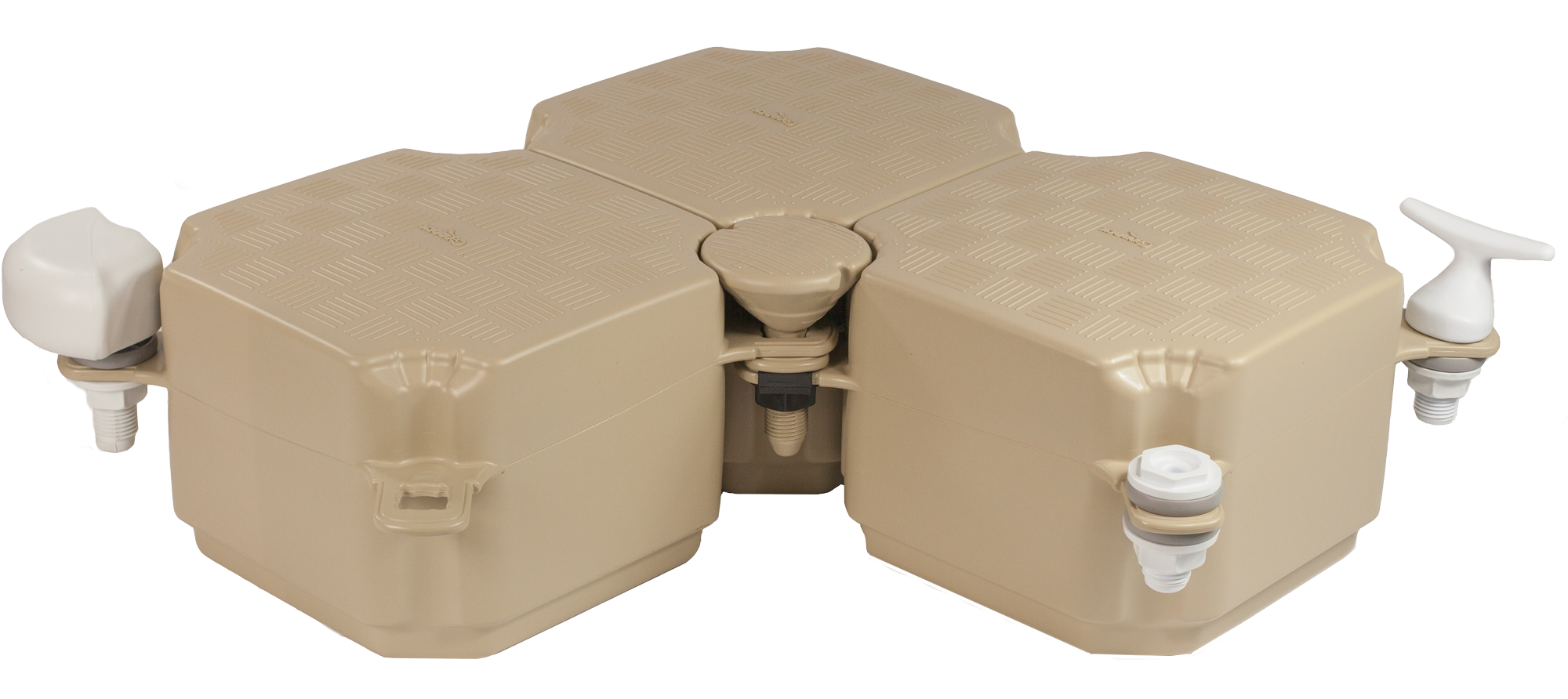

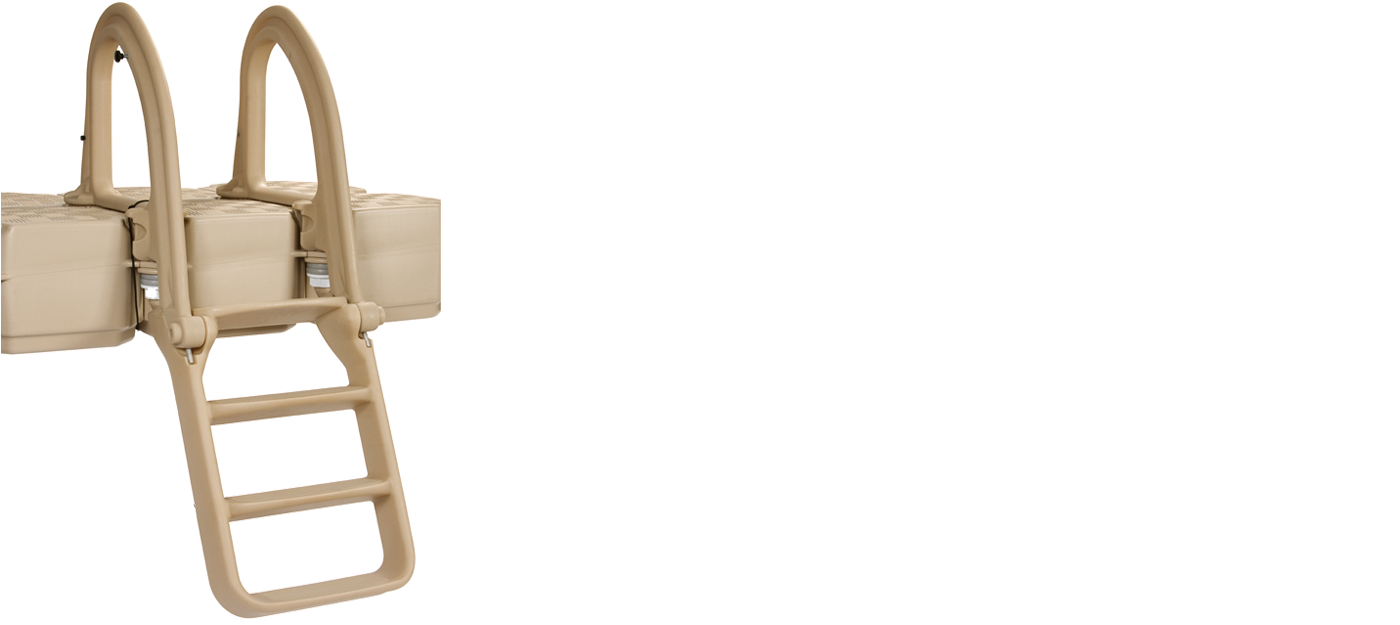
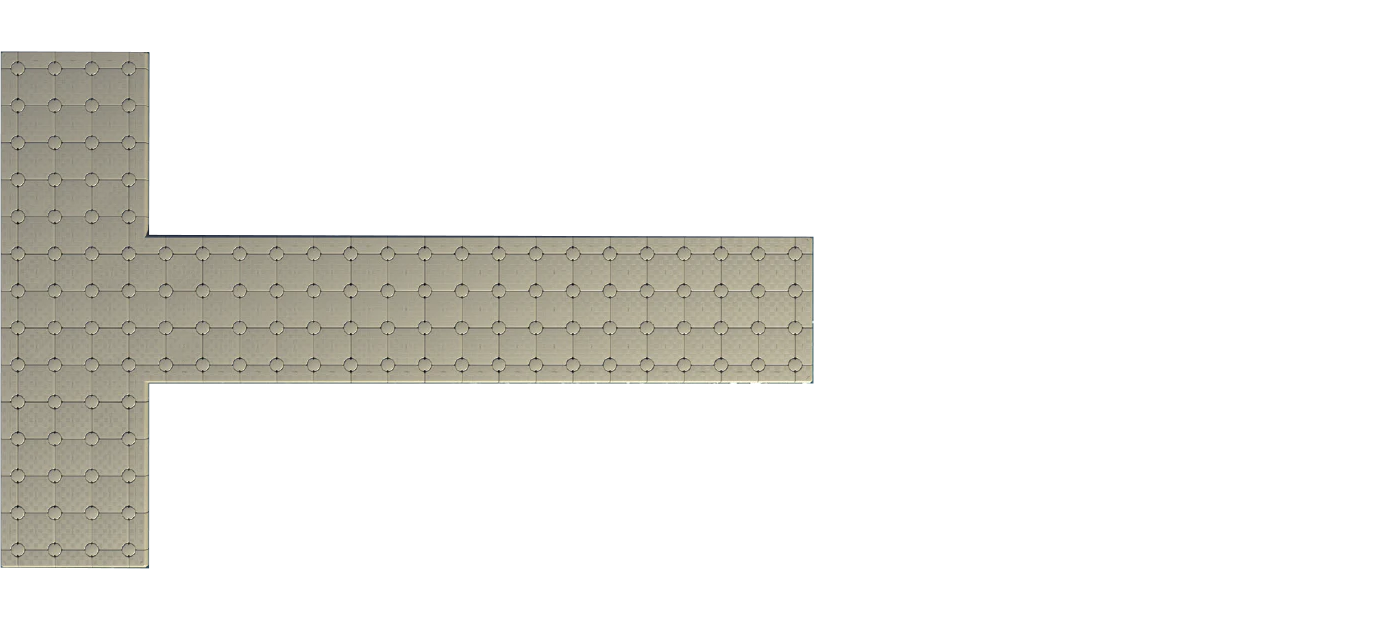

Problèmes pouvant être résolus grâce aux quais modulaires flottants
Les propriétés riveraines se comportent rarement de manière prévisible, même lorsque l'installation initiale du quai semble bien planifiée. Les rives se déplacent graduellement, les niveaux d'eau répondent aux variations saisonnières et l'utilisation évolue une fois que les gens passent plus de temps sur l'eau. Ce qui commence comme une installation simple se transforme en un système qui ne reflète plus la façon dont l'espace fonctionne.
Les problèmes qui peuvent être résolus avec des quais modulaires flottants proviennent de ce décalage entre une structure fixe et un environnement changeant. Plutôt que de forcer une conception permanente à s'adapter à tous les scénarios, un système modulaire permet au quai de s'adapter aux changements de conditions, ce qui élimine de nombreuses limitations qui se développent.
Niveaux d'eau changeants qui perturbent l'accès
Les niveaux d'eau restent rarement constants tout au long de la saison, et même de petits changements peuvent affecter la sensation d'un quai lors de son utilisation quotidienne. Une marche qui semblait naturelle peut se transformer en une transition difficile, en particulier dans les zones où les précipitations ou les systèmes de gestion de l'eau influencent la profondeur.
Les quais modulaires flottants se déplacent avec l'eau, ce qui permet à la surface de rester alignée avec ces changements au lieu d'aller à leur encontre. Ce positionnement constant maintient un accès prévisible et élimine le besoin d'ajuster la façon dont les gens montent ou descendent sur le quai.
Espace limité qui ne correspond plus à l'utilisation que vous faites du quai
Un quai qui semble de taille appropriée lors de l'installation devient souvent restrictif à mesure que davantage d'activités se déplacent sur l'eau. À mesure que l'utilisation se développe, les limites d'une configuration fixe deviennent plus évidentes, même lorsque la conception originale semblait suffisante. Les quais modulaires permettent à cet espace de s'étendre en réponse à une utilisation réelle, donnant aux propriétaires la possibilité d'ajouter des sections à mesure que leurs besoins deviennent plus clairs.
Conditions de la rive qui compliquent l'installation
Toutes les rives n'offrent pas des conditions idéales pour la construction de quais traditionnels, et ces limitations deviennent évidentes lors de l'installation. Un terrain en pente, des fonds de lac irréguliers ou une profondeur inconsistante peuvent tous restreindre les types de structures qui fonctionneront de manière fiable à un endroit donné.

Les quais modulaires flottants relèvent ces défis en s'adaptant à l'environnement au lieu d'exiger que la rive se conforme à une conception rigide. Une approche de conception plus flexible ouvre des options de placement pratiques et réduit les compromis souvent associés aux installations fixes.
Agencements qui ne correspondent plus à l'usage quotidien
La façon dont les gens utilisent un quai reste rarement la même après l'installation, surtout une fois que l'espace fait partie d'une routine. Ce qui commence comme un simple point d'accès peut progressivement se transformer en une zone polyvalente qui prend en charge des activités ou l'entreposage d'équipement.
Les systèmes modulaires permettent aux propriétaires d'ajuster l'agencement à mesure que ces schémas émergent, de sorte que le quai continue de refléter la façon dont les gens utilisent l'espace au lieu de rester figé dans sa conception originale. De petits ajustements révèlent comment les différentes sections fonctionnent lors de l'utilisation quotidienne, ce qui facilite l'affinage de l'agencement avec un objectif.
De petits changements d'aménagement peuvent résoudre des points de friction plus importants
Dans de nombreux cas, le problème ne vient pas de la taille du quai, mais de la façon dont des sections spécifiques sont utilisées tout au long de la journée. Un passage étroit peut créer de la congestion, ou un point de connexion mal placé peut interrompre la circulation des personnes entre les zones.
Les systèmes modulaires permettent aux propriétaires d'effectuer des ajustements ciblés au lieu de refaire tout l'aménagement. Un petit changement, comme le déplacement d'une section ou l'élargissement d'une plateforme, peut résoudre ces points de friction sans ajouter de complexité inutile.
Maintenance qui devient de plus en plus difficile
La maintenance devient plus compliquée lorsqu'un quai fonctionne comme une structure fixe et en continue, car même des problèmes mineurs peuvent nécessiter un accès à des zones difficiles à atteindre. Cela peut transformer un entretien de routine en un processus plus perturbateur que prévu.
Une disposition modulaire divise la structure en sections gérables, ce qui permet aux propriétaires de se concentrer sur des zones spécifiques sans affecter l'ensemble du quai. Cela simplifie la maintenance tout en facilitant la résolution des problèmes avant qu'ils ne deviennent plus importants ou ne nécessitent des réparations plus coûteuses.
Changements saisonniers nécessitant un ajustement constant

Dans les régions où les conditions météorologiques varient considérablement tout au long de l'année, les quais nécessitent des ajustements saisonniers qui vont au-delà de l'entretien de base. Les structures fixes peuvent rendre ces changements plus difficiles car elles manquent de la flexibilité nécessaire pour réagir efficacement.
Les quais modulaires simplifient les transitions saisonnières en permettant de manipuler les sections individuelles séparément, ce qui rend l'installation ou le retrait plus gérable. Un système plus flexible réduit l'effort requis pour entretenir le quai à mesure que les conditions changent tout au long de l'année.
Défis de rangement qui affectent l'utilisabilité
À mesure que l'activité riveraine augmente, l'équipement s'accumule naturellement, et sans une stratégie de rangement efficace, cet équipement interfère rapidement avec le fonctionnement du quai. Ce qui commence par quelques objets laissés à proximité peut se transformer en un agencement qui semble encombré et difficile à naviguer.
Les quais modulaires permettent au rangement de faire partie de la structure elle-même, ce qui maintient la surface dégagée tout en conservant l'accès aux objets fréquemment utilisés. Lorsque le rangement s'aligne sur la façon dont le quai est utilisé, l'espace reste plus fonctionnel sans nécessiter une réorganisation constante.
Préoccupations concernant la stabilité dans des conditions d'eau active
Des facteurs environnementaux tels que le vent ou le trafic maritime peuvent provoquer des mouvements qui affectent la stabilité d'un quai, en particulier dans des endroits où les conditions changent tout au long de la journée. Un système qui ne tient pas compte de ces forces peut sembler instable sous les pieds.
Les quais flottants modulaires répondent à ces conditions tout en maintenant une expérience stable pendant l'utilisation. En équilibrant flexibilité et ancrage, le quai peut bouger naturellement sans créer d'inconfort ou d'imprévisibilité.
Difficulté à planifier les besoins futurs
Les installations de quais traditionnelles exigent des décisions à long terme avant que les propriétaires ne comprennent pleinement comment ils utiliseront l'espace. Une fois que les propriétaires ont intégré ces décisions dans une structure fixe, les ajustements peuvent rapidement devenir coûteux et prendre beaucoup de temps.
Les systèmes modulaires suppriment cette contrainte en permettant au quai d'évoluer. Au lieu de s'engager sur un seul design, les propriétaires peuvent affiner l'agencement à mesure que leurs besoins deviennent plus clairs, ce qui conduit à une solution plus pratique et adaptable.
Créer un quai qui s'ajuste à la propriété
La plupart des défis riverains se développent progressivement, ce qui fait de la flexibilité l'une des qualités les plus importantes d'un système de quai. Les problèmes qui peuvent être résolus avec des quais modulaires flottants se résument à la capacité de la structure à s'ajuster, à s'étendre et à réagir aux changements de conditions.
Choisir un système qui évolue avec la propriété permet aux propriétaires de rester en avance sur ces défis au lieu de les contourner. Qu'il s'agisse d'intégrer des quais flottants pour le stockage d'embarcations ou d'agrandir l'agencement pour soutenir de nouvelles activités, les systèmes de quais modulaires de Candock offrent aux propriétaires riverains la flexibilité d'affiner leur installation tout en maintenant des performances à long terme.