 Passer au contenu



10 façons d'augmenter le stockage sur un quai flottant
Un quai flottant ne reste jamais aussi ouvert qu’il y paraît le jour de l’installation, car une fois que les gens commencent à utiliser l’espace régulièrement, l’équipement commence à s’installer dans les endroits qui semblent pratiques sur le moment. Les articles ne sont pas souvent remisés parce que celui-ci est souvent trop éloigné de l’activité, de sorte que l’équipement se répand lentement sur le quai d’une manière qui réduit l’espace utilisable sans que personne ne remarque activement le changement.
Les moyens d’augmenter le rangement sur un quai flottant commencent par la compréhension de la façon dont les gens utilisent réellement l’espace. Lorsque le rangement s’aligne sur le mouvement, la préparation et les points de transition sur le quai, l’aménagement commence à soutenir ces habitudes au lieu de travailler contre elles.
Installez du rangement là où l’activité se produit naturellement
La plupart des systèmes de rangement échouent non pas parce qu’ils manquent de capacité, mais parce qu’ils ignorent le comportement. Les gens ne traverseront pas un quai pour ranger quelque chose s’ils peuvent simplement le laisser à proximité, surtout pendant une utilisation active où la commodité prime sur l’organisation.
Placer le rangement près des zones de baignade, des points d’amarrage ou des zones de préparation change ce modèle d’une manière subtile mais significative. Lorsque l’option la plus facile est aussi la bonne, les articles sont rangés plus régulièrement et le quai reste plus dégagé sans effort constant.
Intégrez le rangement dans la structure au lieu de l’ajouter
Le rangement perturbe l’aménagement d’un quai lorsque les propriétaires l’ajoutent comme un élément distinct, car il concurrence l’espace de marche et modifie la façon dont les gens utilisent le quai. Une approche différente consiste à intégrer directement le rangement dans la structure afin qu’il soutienne l’aménagement au lieu de l’interrompre.
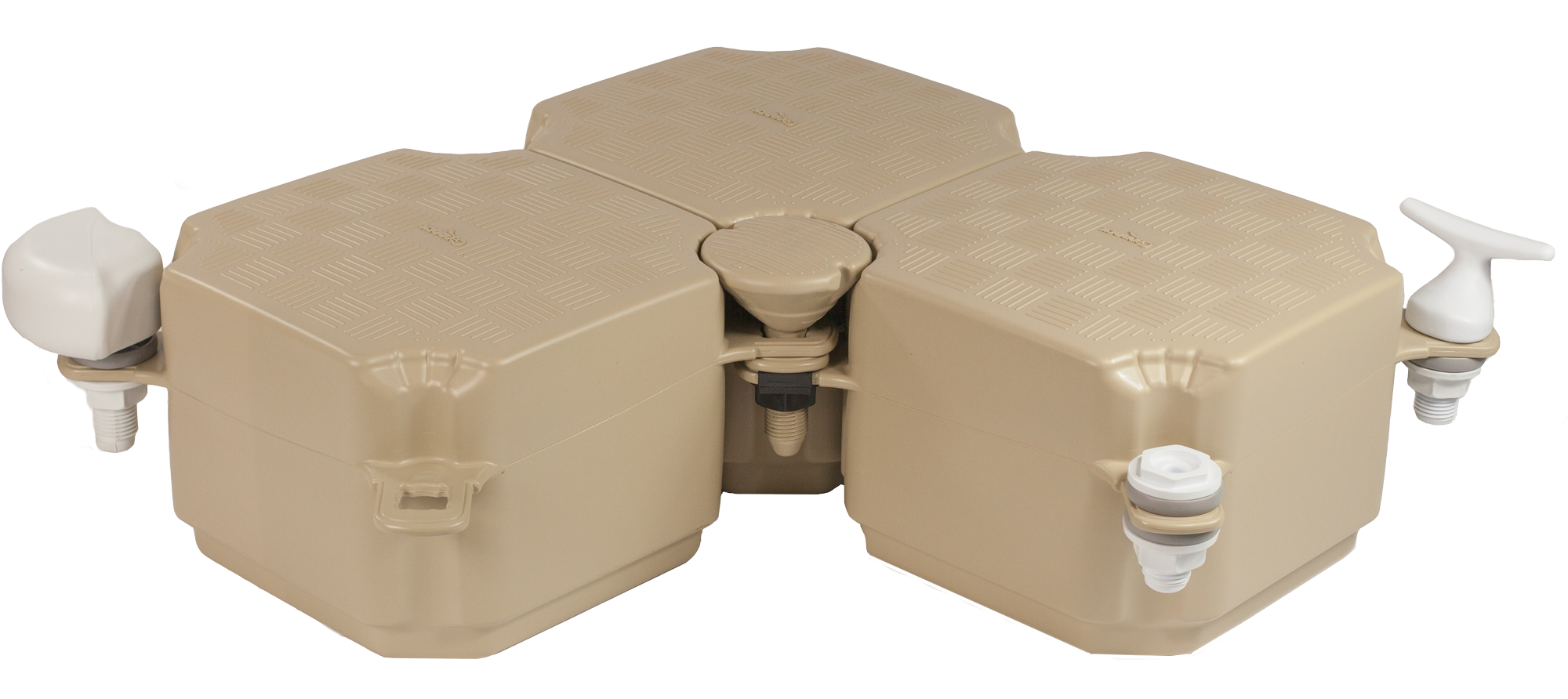
Les cubes de rangement y parviennent en fonctionnant à la fois comme plateforme et comme rangement, ce qui permet au quai de conserver une surface utilisable tout en accueillant l’équipement. Ce changement élimine le compromis habituel entre organisation et accessibilité.
Enlevez les gros équipements de la surface du quai
Les gros articles occupent l’espace utilisable d’une manière que les petits équipements ne font jamais, ce qui limite rapidement la façon dont les gens peuvent se déplacer sur le quai. Les kayaks et les planches à pagaie ont tendance à rester sur la surface après utilisation, où ils modifient la façon dont les gens se déplacent sur le quai.

Déplacer ces articles sur des supports rétablit la fluidité de l’espace et redonne au quai sa fonction prévue. Une fois que le gros équipement quitte la surface principale, le quai devient plus facile à naviguer et plus flexible pour d’autres activités.
Utilisez l’espace en hauteur pour réduire la congestion de surface
L’extension du quai vers l’extérieur peut sembler la solution évidente lorsque l’espace devient limité, mais l’espace en hauteur inutilisé offre une amélioration plus immédiate. Les quais couverts ou les structures à proximité créent des opportunités de ranger des articles au-dessus de la surface principale sans sacrifier l’accessibilité.
L’installation de crochets ou de systèmes de suspension permet de garder l’équipement fréquemment utilisé à portée de main tout en dégageant le quai en dessous. Cela maintient le mouvement ininterrompu et réduit le sentiment d’encombrement qui se développe lorsque tout se dispute la même zone.
Transformez les sièges en rangement fonctionnel
Les sièges déterminent la façon dont les gens interagissent avec un quai, en particulier dans les zones où ils se rassemblent ou passent du temps entre les activités. Au lieu de traiter les sièges et le rangement comme des besoins distincts, les combiner crée un aménagement plus efficace.
Les bancs avec rangement intégré contiennent l’équipement tout en continuant à servir leur but principal, ce qui permet au rangement d’exister sans ajouter d’encombrement visuel ou physique. Ce type d’intégration fonctionne particulièrement bien dans les espaces où le quai a des fonctions récréatives et sociales.
Attribuez des emplacements permanents à l’équipement fréquemment utilisé
Les articles fréquemment utilisés créent de l’encombrement lorsque les gens les déplacent souvent sans les remettre à un emplacement désigné. Les amarres, les défenses et les équipements similaires entrent dans cette catégorie car les gens les utilisent souvent mais les rangent rarement intentionnellement.
L’installation de crochets ou de supports crée une destination constante pour ces articles, ce qui encourage le comportement répété sans nécessiter de rappels. Cette cohérence réduit l’encombrement car le quai commence à s’organiser de lui-même par une utilisation routinière.
Laissez les activités réelles guider les décisions de rangement
Le rangement fonctionne mieux lorsqu’il reflète l’utilisation réelle plutôt qu’un plan généralisé. Un quai qui soutient la pêche nécessite des choix de rangement différents de celui qui est axé sur la natation, et forcer une méthode unique produit rarement de bons résultats.
Organisez le rangement en fonction de l’utilisation du quai

L’équipement de pêche l’illustre clairement, car les cannes et l’équipement doivent rester près des zones où les gens les utilisent activement. Garder ces articles à proximité réduit les mouvements inutiles et crée une expérience globale plus fluide. Lorsque le rangement s’aligne sur l’activité, l’aménagement semble plus intuitif car il soutient ce que les gens font déjà au lieu d’essayer de le changer.
Agrandissez le quai lorsque l’organisation atteint ses limites
Même le système de rangement le plus efficace ne peut pas résoudre tous les problèmes d’espace. Lorsque l’équipement commence à gêner les mouvements ou à restreindre le fonctionnement du quai, un espace supplémentaire devient nécessaire.
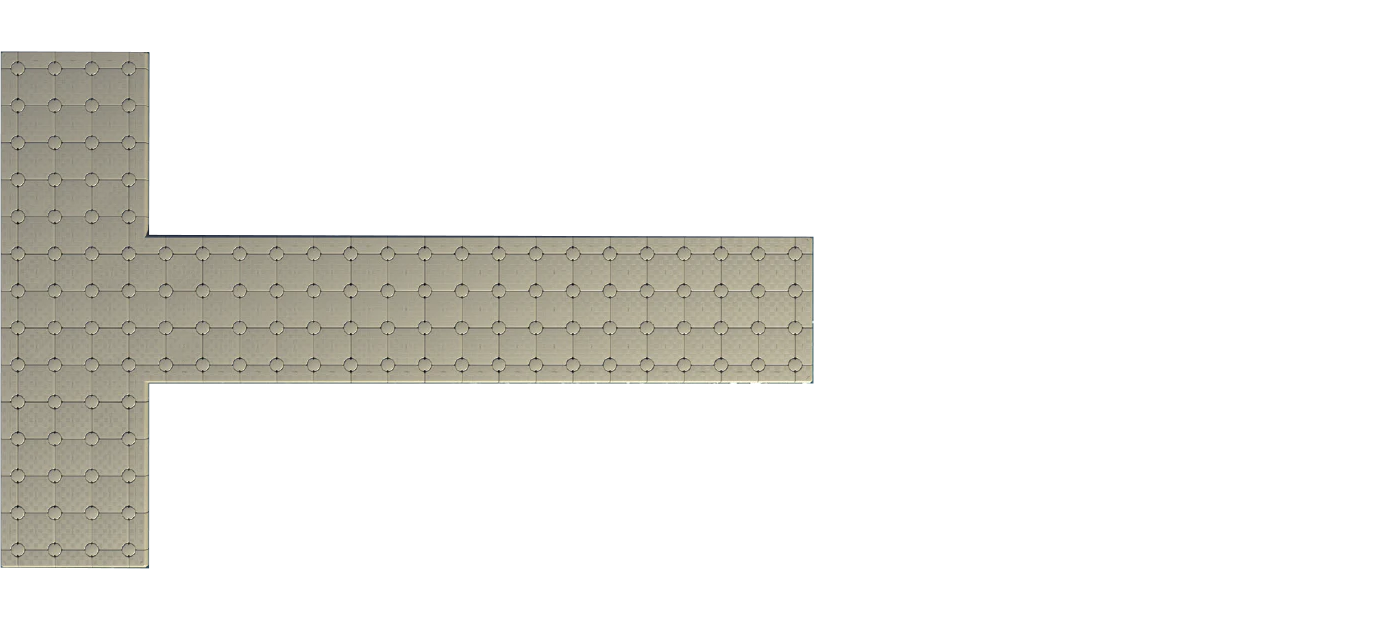
Les systèmes de quai modulaires rendent l’expansion plus gérable car ils permettent aux propriétaires d’ajouter des sections sans perturber l’aménagement existant. La création de zones dédiées au rangement aide à séparer les fonctions sur le quai et empêche l’encombrement de revenir.
Enlevez l’équipement qui ne sert plus à l’usage quotidien
Augmenter le rangement ne nécessite pas toujours d’ajouter de nouvelles solutions. Dans de nombreux cas, réduire ce qui reste sur le quai crée plus d’espace utilisable que d’introduire une autre fonction de rangement.
Les articles saisonniers peuvent rester en place longtemps après que les gens cessent de les utiliser, ce qui limite progressivement l’efficacité du quai. Déplacer ces articles hors du quai maintient l’aménagement aligné sur les besoins actuels et prévient l’accumulation inutile.
Utilisez le périmètre du quai pour récupérer l’espace perdu
De nombreux propriétaires de quai oublient les bords extérieurs d’un quai, malgré l’espace de rangement précieux qu’ils offrent. L’ajout de rangement vertical le long de ces zones crée une capacité supplémentaire sans affecter la façon dont les gens se déplacent sur la surface.
Cela maintient les allées dégagées tout en conservant un accès facile aux articles rangés, ce qui permet au quai de rester fonctionnel sans paraître encombré.
Faites du rangement une partie du fonctionnement du quai
Un rangement efficace soutient la façon dont les gens se déplacent, préparent l’équipement et utilisent le quai tout au long de la journée. Lorsque le rangement s’accorde avec ces habitudes, le quai est plus facile à entretenir et plus confortable à utiliser sans ajustement constant.
Ces moyens d’augmenter le rangement sur un quai flottant se concentrent sur l’amélioration du fonctionnement d’un espace. Avec les bons accessoires de quai flottant, les propriétaires peuvent créer un aménagement qui reste organisé tout en soutenant l’utilisation quotidienne. Les systèmes modulaires de Candock permettent à cet aménagement d’évoluer, ce qui facilite l’adaptation du rangement à mesure que les besoins changent sans reconstruire tout le quai.